الرئيسية بلوق الصفحة 28

Best camera phones for 2022

0

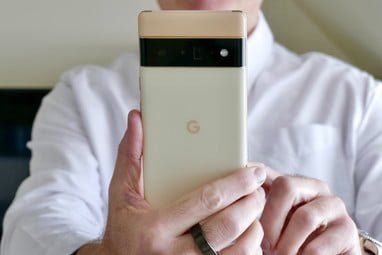
The best camera phone is the Google Pixel 6 Pro. It’s definitely a close call, but Google’s latest phone tops Apple’s iPhone 13 Pro in our head-to-head contest. The Pixel 6 Pro’s pictures are eye-poppingly attractive, colorful, and instantly shareable, making it one of the best camera phones around. But if you’re not a fan of Google’s Pixel, there are other choices, including the best Apple phone, best value phone, and the best cheap phone you can buy.

We’re photography enthusiasts at Digital Trends, snapping thousands of photos every month, and we love to compare how different phone cameras perform. We push the cameras to the limit and do direct camera shootout comparisons with different phones, because we know it’s an important feature for most buyers.

Have different priorities? We offer guides for the best overall smartphones, the best cheap smartphones, and the best small smartphones, so you can find the right phone for you.

Google Pixel 6 Pro
Best camera phone
PROS

  • Incredible camera
  • Fun camera features and editing tools
  • Vibrant, colorful screen
  • Android 12
  • Long software support

CONS

  • Unreliable in-display fingerprint sensor
  • Flaky cellular connection in some situations
  • 120Hz screen can jitter

Why should you buy this?: The Pixel 6 Pro is ready to take on the iPhone 13 Pro and the Galaxy S21 Ultra.

Who’s it for?: Anyone who wants a reliable camera phone with excellent editing features and the functionality of Android.

Why we picked the Google Pixel 6 Pro:

Google reinvented smartphone photography with the first Pixel smartphones several years ago. Today, the Google Pixel 6 Pro comes with a new linear triple camera bay which features a 50-megapixel primary camera, a 12MP ultrawide-angle camera, and a 48MP periscope camera with 4x optical zoom. The primary 50MP camera uses a Samsung ISOCELL GN1 sensor measuring 1/1.31 inches. Pair that with Google’s exceptional computational photography, the new main sensor can yield striking colors in nearly all lighting conditions.

Along with the primary camera, there’s a 12MP ultrawide angle camera with a 115-degree wide span of view. Besides wider images, the ultrawide angle camera can be used alongside the primary camera to correct blurred images using a Pixel 6 range-exclusive feature called Face Unblur. The Pixel 6 Pro also has a 4x periscope camera featuring a 48MP sensor. The 4x periscope has an edge over the 3x telephoto on the iPhone 13 Pro but you can expect a somewhat sluggish performance when compared to the Galaxy S21 Ultra’s 10x periscope.

Besides improvements to the camera hardware, the Pixel 6 Pro brings a variety of new software enhancements and features, powered by Google’s in-house Tensor chipset. The Tensor is specifically designed for on-device A.I. processing and it powers features such as Face Unblur, Magic Eraser, Action Pan, and realistic facial color tone mapping. These features ensure some breathtaking images.

For photography features, the Pixel 6 Pro is more than comparable to the iPhone 13 Pro and if you have an eye for detail, you might be able to pick one winner easily. When it comes to video, the Pixel range catches up by, once again, using A.I. features including HDRNet for vivid and punchy colors in videos. Overall, if you aspire for an ultimate camera experience with cutting-edge A.I. and camera features, the Google Pixel 6 Pro barely has any competition.

Apple iPhone 13 Pro
The best Apple camera phone
PROS

  • Packs lots of power into the size
  • Incredible camera and video performance
  • Very long-lasting battery
  • Smooth and responsive 120Hz screen
  • Comes with 1TB storage option

CONS

  • No USB-C
  • Not all third-party apps are optimized for higher refresh screen

Why should you buy this?: The Apple iPhone 13 Pro is not only one of the most powerful phones on the market, but its photo and video capabilities are amongst the best for a phone.

Who’s it for?: For those who don’t want to miss the right moment grappling with different camera modes and desire the best performance that a phone can offer.

Why we picked the iPhone 13 Pro:

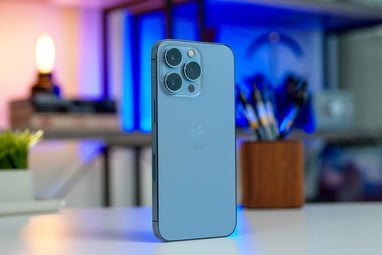
The iPhone has always been a frontrunner for the best smartphone camera despite not sporting the most highly specced camera hardware. The iPhone 13 Pro’s 12MP primary shooter dominates the space with excellent image processing and software features. The iPhone 13 Pro’s primary camera features the Sony IMX703 sensor, a 1/1.65-inch sensor, which makes it about 25% bigger than the primary sensor on the iPhone 12 Pro Max, and about 85% bigger than the iPhone 12 Pro. The lens used in the camera setup also has a bigger (f/1.5) aperture. Both result in more light and clearer images.

The iPhone 13 Pro’s camera captures plenty of details and a rich flurry of colors and it captures shots against direct sunlight quite well. The lens on the camera moves in response to movement, making the optical image stabilization more effective. The phone’s other two cameras include an upgraded 12MP ultrawide-angle and a 12MP telephoto. The sensor now offers phase-detection autofocus (PDAF), which adds another benefit to the ultrawide-angle camera. The iPhone 13 Pro’s ultrawide-angle camera doubles as a macro camera that can capture images from a minimum distance of 2cm. If you have installed iOS 15.2 or later, you can control Macro Mode precisely.

Like the ultrawide camera, the telephoto also got upgraded with a 3x optical zoom setup, which is still admittedly a laggard as compared to the Samsung Galaxy S21 Ultra’s 10x periscope lens setup (which repeats on the upcoming Galaxy S22 Ultra). But, tests during our comparison with the Samsung Galaxy S21 Ultra’s secondary 3x telephoto camera indicate the iPhone 13 Pro focuses more accurately.

In low light, the iPhone 13 Pro’s automatic night mode is impressive, even if there is some visible lack of detail compared to shots taken in the day. For videos, Apple has introduced the Cinematic mode –essentially a portrait mode but for video — which can be used with both the front and back cameras. Following the iOS 15.1 update, the iPhone 13 supported ProRes recording that allows for lower compression and better image quality than standards codecs like H.264 and H.265.

Samsung Galaxy S22 Ultra
The best feature-rich camera phone
PROS

  • S Pen is convenient and highly accurate
  • Versatile camera takes great photos
  • The latest processor for power
  • Long software support
  • Beautiful high refresh rate screen

CONS

  • Not very fast battery charging
  • Large and heavy

Why should you buy this?: This powerful smartphone will last you for years.

Who’s it for?: If you seek a phone that produces shareable photos quickly, the S22 Ultra is excellent.

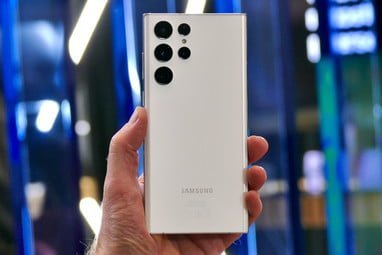
Why we picked the Samsung Galaxy S22 Ultra: The Samsung Galaxy S22 Ultra is one of the very best camera phones you can get, even though spec-wise, it’s not a huge advance from its predecessor, the Galaxy S21 Ultra, or the Galaxy Note 20 Ultra. Upgraded 3x, 10x, and 30x zoom levels provide greater detail and more natural and accurate colors, but the main and wide-angle cameras offer similar results to earlier Samsung smartphone cameras.

The S22 Ultra’s variety of high-quality optical zoom modes makes it hugely versatile, the main and wide cameras take beautiful photos with vibrant colors and excellent balance, and the newly updated portrait mode is stunning. The Camera app is simple and customizable, letting you quickly access the features you use most.

Single Take mode lets you concentrate on shooting the scene, not on what mode to use. You can shoot a video up to 15 seconds long, which can be extended by another five seconds if needed, and the phone’s A.I. generates multiple images and videos from it, which can be edited and shared. Samsung has consulted with Snapchat and Instagram to include its camera tools in their apps, so you can directly use the different cameras and modes without shooting in the S22 Ultra’s camera app.

Samsung’s Pro mode for stills and video and a new Expert RAW app available for download provide control over the telephoto cameras, support HDR capture, and allow for lossless data files, ready for apps like Adobe Lightroom. The 108MP mode has gained some functionality with the Detail Enhancer, using A.I. to boost detail, sharpness, and color. The 108MP photos are huge at 12000 x 9000 pixels and 25MB, but the Detail Enhancer makes cropping easy.

Want a big smartphone with a brilliant camera? If you’re sticking with Android, the Google Pixel 6 Pro is also a great choice, or have a look at Apple’s iPhone 13 Pro Max. The basic version of the Galaxy S22 Ultra sets you back $1,200. If that price almost stops your heart, below are two much cheaper options that also offer comparatively good cameras.

Google Pixel 5a 5G
The best value camera phone

PROS

  • Excellent camera performance
  • Smooth, clean software
  • IP67 water and dust resistance
  • Affordable price for its capabilities

CONS

  • Standard, somewhat boring design
  • No high-refresh display

Why should you buy this?: It’s the king of budget camera phones with flagship-grade cameras.

Who’s it for?: Anyone who wants one of the best camera phones but doesn’t care about other blingy features.

Why we picked the Google Pixel 5a 5G:

Google’s mid-range A-series phones — starting with the Pixel 3a in 2019 — are among the company’s best sellers. The newest Pixel 5a 5G uses the same 12.2MP primary camera since the first generation of Pixel phones. Despite the static hardware, Google adds new software features and improvements every year. Because the Pixel 5a benefits from the same camera software Google uses on its flagship smartphones, it offers accurate and vivid colors. The images are very sharp and portraits are on par with the more expensive Pixel 5.

The Pixel 5a sports a secondary 16MP ultrawide-angle lens with a fixed focus that may mean details are not as fine as we see on the primary camera, but Google’s photography algorithms patch up for most insufficiencies. Another major advantage with the Pixel 5a 5G is its support for low-light photography features including Night Sight and Astrophotography. Besides that, you also get access to several premium Google Photos features that are otherwise available only to users with paid Google One subscriptions.

It is priced at $499 in the U.S. or 51,700 yen in Japan, the only two countries where you can buy this phone. For other regions, you can check out our list of Pixel 5a alternatives.

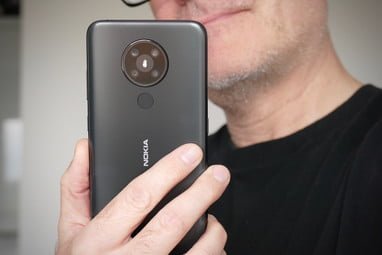
Nokia 5.3
Best cheap camera phone
PROS

  • Two-day battery life
  • Large screen size
  • Two years of software updates
  • NFC for Google Pay

CONS

  • Camera disappoints
  • Screen lacks brightness

Why should you buy this?: It’s a versatile, but limited camera phone for just $200.

Who’s it for?: People who want to play with a versatile camera, but don’t want to spend a lot of money.

Why we picked the Nokia 5.3: While the Nokia 5.3’s camera is a disappointment compared to most of the phones on this list, your options are limited in the sub-$200 price range.

The Nokia 5.3 has a quad-lens setup with a 13MP main lens, a 5MP ultrawide lens, a 2MP depth lens, and a 2MP macro lens. It’s versatile and functional, but not inspirational.

The low megapixel count depresses the macro and ultrawide sensor and the Night Mode. Still, it’s hard to find a good camera at this price, and we’ve allowed the versatility of the quad-lens camera to place it on this list.

If you’re snap-happy and love to use your phone to the fullest, consider spending more money for something like the Google Pixel 4a, definitely a stronger pick. But if you’re sticking below $200, the Nokia 5.3 will do just fine.

How to know a Good camera phone specs

There are a lot of technical specifications related to the cameras in our smartphones, so here’s a quick crash course to explain the basics.

Megapixels

The megapixel rating relates to detail. In simple terms: The higher the megapixel count, the more detail you’ll see in the picture. For a long time, the smartphone camera specs race focused on megapixel count, but there’s more to capturing a great photo than detail. It’s also worth noting that many cameras do not capture at the maximum megapixel settings by default, because it’s often more detail than you need. Most manufacturers are now working to improve other aspects of their cameras.

Sensor size

Sensor size is another thing to consider, as it turns out that all megapixels are not created equal. HTC coined the term “ultrapixel” to draw attention to the fact that it had bigger megapixels than some competing camera phones, so even with a 4-megapixel camera, it could potentially get better results than an 8-megapixel camera with smaller pixels. They’re measured in micrometers and bigger is theoretically better at capturing light. For example, the iPhone 12 Pro Max’s main lens has a 1.7 µm pixel size.

Aperture

The aperture is the hole that light travels through to hit the sensor and it’s important for low-light performance. The smaller the number is, the larger the aperture. So, the f/1.7 aperture in the Pixel 5’s camera is slightly bigger than the f/1.8 aperture in the Samsung Galaxy S21 Ultra’s main lens. Changing the amount of light that gets in by fiddling with the aperture also enables photographers to tweak the depth of field. It helps you to capture shots where the subject is in focus and the background is blurred.

Optical image stabilization (OIS)

Optical image stabilization (OIS) helps to keep the camera steady, so if your hands are shaking, it will be less noticeable on a camera phone that has OIS support. It’s compensating for the movement in your hands.

High dynamic range (HDR)

High dynamic range (HDR) is a technique whereby the camera takes multiple shots of the same subject in different exposures and then combines them in post-processing to create one single shot, which is usually brighter and more detailed than a non-HDR shot. It requires some processing power, so you’ll find it might be a bit slow on budget devices like the Pixel 4a, but it’s always desirable if you want the best possible photos.

Video recording

For video recording, you want to look at two things: Resolution and the frames per second (fps).

Resolution

The resolution is simply how much detail is captured. For 4K video, it’s 3840 x 2160 pixels. For Full HD it’s 1920 x 1080 pixels. Bigger is often better, but keep in mind you need a 4K TV or monitor to see the benefit, and 4K and 8K videos take up a lot of space on your phone’s hard drive, so it’s good to not keep it on 4K by default.

Frames per second (fps)

When you see a high frame rate, such as the iPhone X’s ability to shoot Full HD at 120 fps, that means you can create slow-motion movies. You can slow the footage down to show detailed moments that would be a blur at a lower frame rate.

How have camera phones changed photography?

The fact that we all have smartphones in our pockets, all day, every day, has led to an explosion in photography. We snap and share more photos than ever before and the smartphone has played a major role in the reinvention of digital photography.

How many lenses should a camera phone have?

It used to be that you’d expect two lenses on your phone — one at the front, and one at the back. However, now it’s not uncommon to come across phones with multiple lenses on either side.

Are camera phones better than DSLRs?

The truth is that the best smartphone cameras still fall way short of the best DSLR cameras when it comes to most shots.

What is a good megapixel count for a camera phone?

However, a high megapixel count isn’t the only determiner for a good camera, and that’s shown to great effect by several of our picks. If you had a 48-megapixel camera with pixel binning, for example, your output would be a 12-megapixel photo, but it would be far better than anything a regular 12-megapixel camera could produce.

Can people hack your smartphone camera?

It is technically possible, but it’s not very likely. While people occasionally find ways to exploit vulnerabilities in phone software, it’s usually necessary to trick you into downloading malware or to physically get a hold of your phone and install malware on it to access your phone’s camera. The best way to reduce the threat is to stick to the official app stores for app downloads and secure your phone with other measures, such as your fingerprint or a PIN. If your phone is acting strangely and you see activity in the call log or camera gallery that wasn’t you, then you may have a malware problem. Check out our guide on how to remove malware from an Android phone.

How we test

Here at Digital Trends, we’re always holding a game controller, camera, smartphone, or some other tech device for the majority of our workday. Not having something in our hands is an infrequent occurrence. When we experiment with smartphones, it usually takes us about a week to complete.

We view this amount of time as an appropriate duration that’s long enough to allow for proper testing. We examine each phone’s endurance and performance in typical conditions.

It’s not a secret that we are constantly using our smartphones. They are always a hand’s reach away. We love using the camera, whether for recreational use, artistic hobbies, or professional business purposes. A surefire way to assess these cameras is to travel to as many locations as possible and take as many pictures, and record as many videos as you can.

You won’t get an accurate idea of how quality varies between different models unless you test them out and compare them with each other. It’s hard to determine our favorite camera, so sometimes we simply leave it up for discussion. Many times these discussions lead to intense photo shooting competitions and more observation.
Best Android Phone Practice you need to know

0

It’s difficult to unplug these days. PCs, tablets and smartphones (even various appliances) can connect to the Internet wirelessly at the push of a button. Emails, notifications, and status updates are summed up by the device at any time of the day, making it difficult to focus. Android smartphones are no exception, but there are several ways to reduce the hassle.

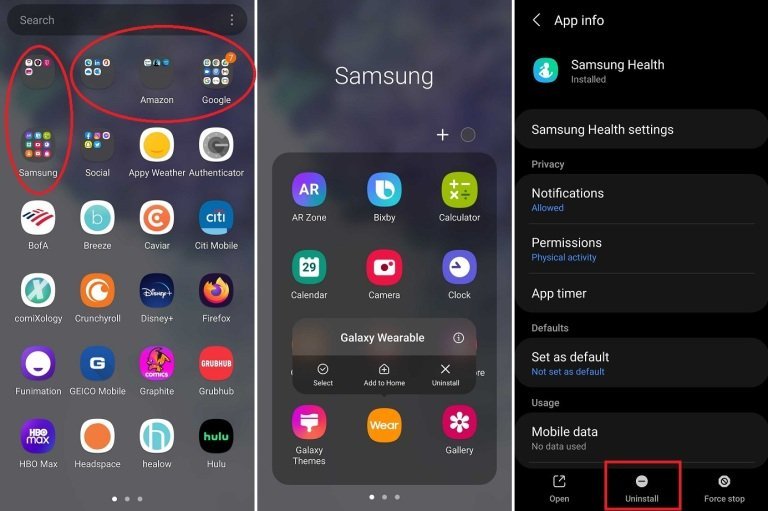
1. Disable Bloatware Apps

Whether your phone is manufactured by Samsung, Google, or OnePlus, it’s probably preloaded with unwanted apps. This bloatware is provided thanks to your mobile phone manufacturer, carrier, Google, and even an independent license agreement. Ultimately, these apps (many of which you never use) consume phone space and resources.

Brotoware is not unique to mobile devices, but it is the most insidious on the phone due to limited computing resources. Samsung devices may come with some Amazon, Facebook, Google, or Microsoft apps pre-installed before reaching your company’s own app suite.

Remove unwanted apps and press and hold the app icon to see the disable options and free up background resources on your phone. Alternatively, access the individual app options under Apps in the settings menu.

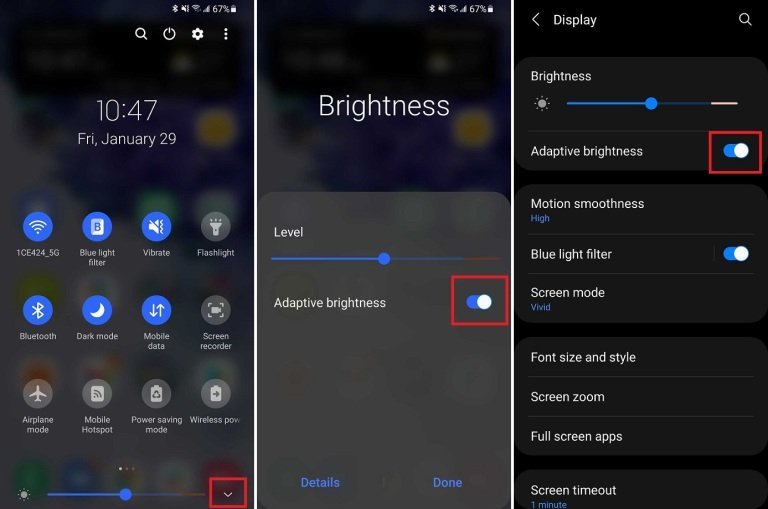
2. Disable Auto Brightness

Have you ever noticed that the screen suddenly goes dark or bright? This is automatic brightness, also known as adaptive brightness on some devices. It’s useful in theory, but for some people it can be over-compensated or suddenly change. If it’s too annoying, turn it off in your phone’s display settings or in your phone’s pull-down shade. Then manually move the slider to the desired brightness. Blue light filters, on the other hand, also help improve sleep.

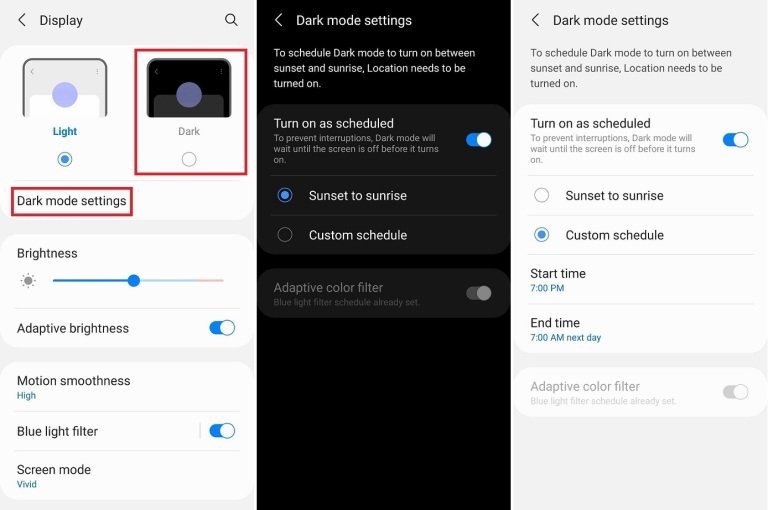
3. Enable Dark Mode

How many people look back in the morning, pick up their cell phone, close one eye and scroll through the notifications to block the glare on the screen? You can get some peace of mind by enabling Dark Mode, which is a theme option for the entire OS since Android 10. You should be able to enable it from the Display Settings or Quick Settings menu. Set it to stay on all the time or to toggle it on and off at specific times. If you don’t need system-wide dark mode, enable it in a specific app.

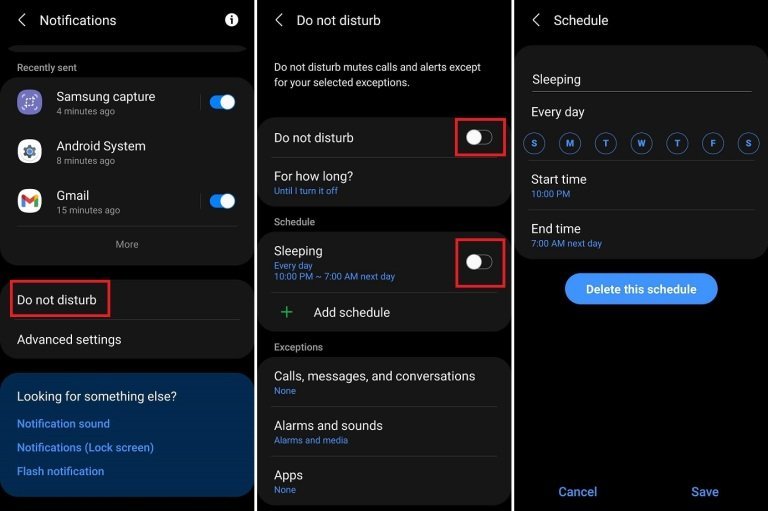
4. Enable Do Not Disturb

Depending on your notification settings, your phone will ping you when someone comments on your latest Instagram post, likes your tweet, Depending on your notification settings, if someone comments on your latest Instagram post, appreciates your tweet, or sends you an email, your phone will ping you even at 3am. do not disturb. This feature is under Sound or Notifications. When on, mute all incoming calls and notifications immediately or schedule them to be active at a specific time or day of the week. If you’re worried about an emergency, you can allow certain contacts or apps to break through silent mode.

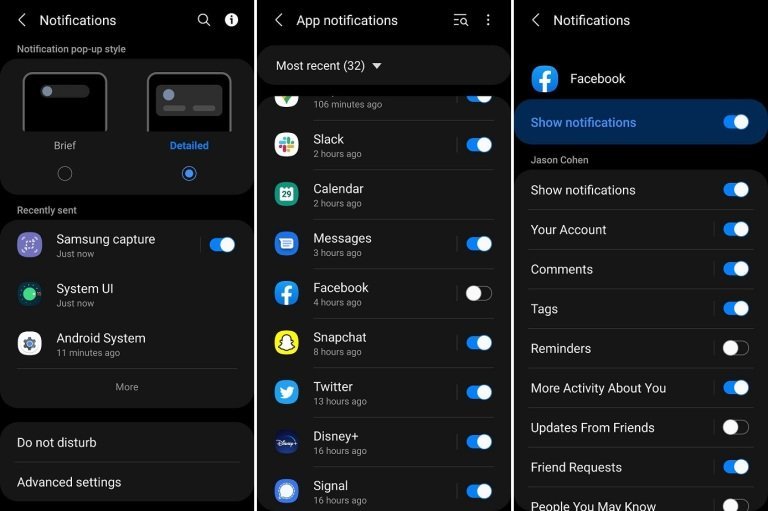
5. Manage Your Notifications

If your social media or game alerts are getting too aggressive altogether, shut them off by going into the notifications settings and viewing a life your social media or game notifications are getting too aggressive overall, go to Notification Settings to see a list of apps you can turn off and turn them off. You can further refine it by tapping the app’s name to turn off display and audible notifications. For some apps, you can turn off warnings for certain in-app features and leave others on. For example, on Facebook, you can turn off tag, comment, and reminder notifications individually.

Notifications can also be edited directly from the pull-down window. If you see annoying notifications on your screen, press and hold to turn off that type of alert or go directly to your app’s settings.

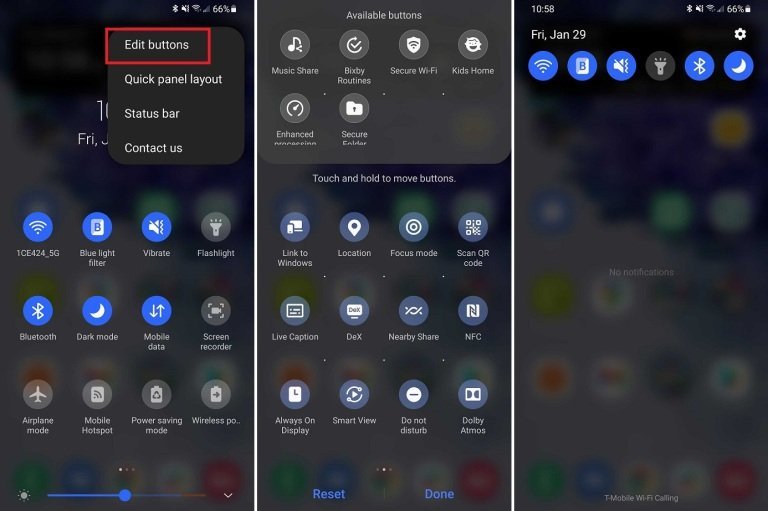
6. Arrange Quick Settings Buttons

One of the best features on an Android phone is the pulldown shade. Just slide your finger down from the top of the screen, then pull down the top lineup of settings for easy access to WiFi, Bluetooth, Location, Airplane mode, and more. Some of these settings will be more useful than others, though. Perhaps you don`t really use things like WiFi calling or NFC, but like having the ability to set your phone to vibrate, toggle Location on/off, or access the flashlight with a single tap. Push unused settings to a second page or remove them completely. Everything you place on the top line of the quick settings menu can be accessed from the notification bar.

7. Customize Your Lock Screen Settings

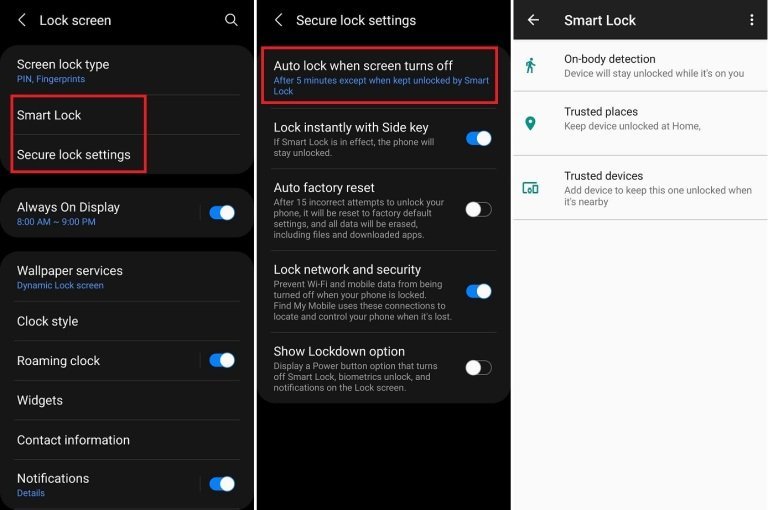
Android smartphones have several ways to protect your device, but it can be annoying if you have to enter a password or biometric every time you use your smartphone. An easy way to fix this is to set a timer for the phone’s auto-lock feature so that the screen doesn’t lock immediately. In the lock screen settings, look for the Auto Lock or Secure Lock page and set it to lock your phone a few seconds or minutes after the screen turns off.

Another option is to use the Smart Lock feature to set certain parameters that keep the device unlocked. When the device is being carried, in a trusted location, or near a trusted device such as a car’s Bluetooth or laptop.

8. Use Widgets Already

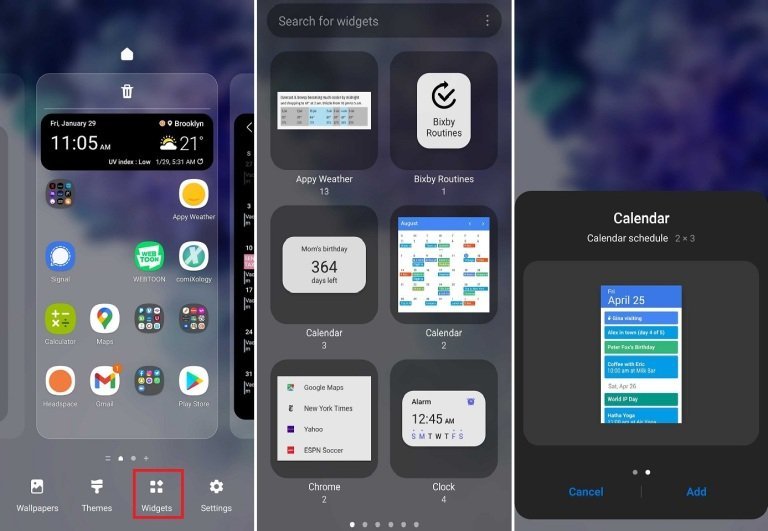
Do you always swipe to select a folder to find your favorite app? You can easily do this with a widget or a live app window. These windows allow you to quickly view your most used apps without actually accessing the program. You can use them to check the weather, check your inbox, and control your music at a glance. To create a widget, touch and hold anywhere on the home screen page and tap the widget link in the pop-up menu. Swipe the list of apps that have widgets available (not all apps), tap the widget you want and drag it to the open sector. You can adjust the size and shape of the widget to fit your home screen.

9. Keep the Battery Going

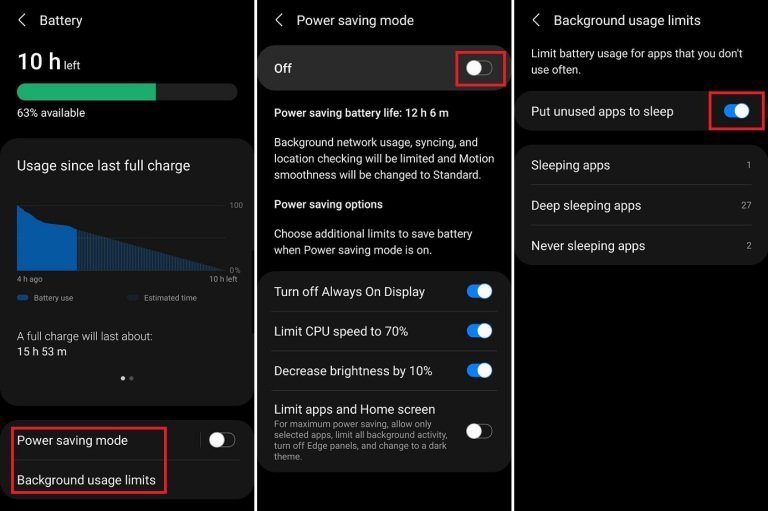
The most annoying thing your phone can do is run out of juice when you need it most. Smartphone batteries are bigger and more powerful than ever, but so are displays. In other words, you can consume energy faster than you think. There are a few things you can do to bring your phone a little more life, but the best way is to use battery saver mode.

All Android devices will have this feature, though some manufacturers may have more options than others. Find this mode hidden within the battery settings, where you can turn down CPU speed, decrease brightness, and even limit app availability. Some phones may also have sAll Android devices have this feature, but some manufacturers may have more options than others. Find this mode hidden in the battery settings. You can slow down the CPU speed, reduce the brightness, and limit the availability of the app. Some phones also have some predefined power saving levels. You can also hibernate an unused app if you don’t want it to run in the background and consume valuable battery life.

How to setup Parental Controls on PlayStation, Switch, and Xbox

1

Video games can educate your kids, but they can also distract them. Here’s how to master parental controls on all major game consoles, not just PCs and smartphones, so that gameplay doesn’t interfere with your studies.


Working from home in the face of a pandemic presents many challenges for almost everyone, but for parents who had to manage their childcare in this strange and new state of affairs, a transition. Was particularly difficult. Since then, many students have sporadically returned to face-to-face classes that are socially separated, but none are exactly the same.


Helping a child succeed in this unprecedented new semester scenario means more than making sure that the child has the right technology. It also means providing the best learning environment at home without distractions. Unfortunately, video games are one of our greatest potential pastimes as long as we love them.


Thankfully, modern video game consoles have many parental controls. Whether these features comply with local gambling laws, limit children’s viewing time on a single screen, or protect your wallet from fraudulent mobile free play tactics, legitimate sales It is a point. You can activate the virtual babysitter on your phone, PC, or game console of your choice. These include the new next-generation PlayStation 5 and Xbox Series S / X consoles available from Sony and Microsoft, respectively.


Our guide will help your child focus on their research rather than their high scores when studying online this fall. Be careful not to lose your parent’s PIN number, which is the ultimate cheat code.

Steps to enable parental controls for PCs and mobile devices

It’s difficult, but it’s possible to simply ban children from using video game consoles. However, the telephone is an important technology and students mainly need a computer to attend classes from home. Because these products perform so many functions, they require their own kind of comprehensive parental control software. We already have full roundups on the best parental control software and the best parental control apps for your phone.


With so many apps to choose from, there are no single set of steps to follow for using parental controls on PC and mobile. Fortunately, those apps make it easy and intuitive to limit the games your child’s user profile can play, when they can play them, and how long they can play them. Sometimes, you don`t even need an outside program to create these kinds of rules. On iOS devices, adjust screen time settings to set content limits, control multiplayer access, and schedule game session time limits. The parental control tools built into Android aren’t that powerful, but because of the loose operating system permissions, third-party parental control apps like Kaspersky Safe Kids and Qustodio are far more powerful than iOS apps. It’s effective. On a PC, you need to install a popular parental control app and learn about the built-in features of the most popular game-related programs.

When you buy a PC game, you probably buy it on Steam. Valve’s Digital Marketplace does not discriminate when it comes to allowing mature materials

Best Communication App 2022

1

Duolingo

If you’re looking to learn another language, Duolingo gamifies language learning with bite-sized lessons and a friendly interface. Starting with simple vocabulary and building from there, Duolingo is your guide to learning a new language or brushing up on one you already know. The more you use the app, the more you unlock and—with practice—the more you learn. This free app currently supports Danish, Dutch, French, German, Irish, Italian, Portuguese, Spanish, and Swedish. Or more practical choices, like Esperanto and Klingon.

Facebook Messenger

The problem with most mobile messengers is convincing your friends to sign up. That said, there’s a good chance that most people you know are already on Facebook. This is handy, because the Facebook Messenger app is fantastic. It’s simple, clean, and easily handles voice and video calling. Check out our feature on Facebook Messenger to discover its other capabilities.The problem with most mobile messengers is convincing your friends to sign up. That said, there’s a good chance that most people you know are already on Facebook. This is handy, because the Facebook Messenger app is fantastic. It’s simple, clean, and easily handles voice and video calling. Check out our feature on Facebook Messenger to discover its other capabilities.

Google Translate

Many people fear not being unable to communicate with people from another country while traveling. Google Translate takes a bit of the edge off, quickly translating either written text or spoken words. You can even use the app to do the speaking for you, and input text through your camera or handwriting. The app can translate 103 languages with a data connection and 52 when you’re offline. It can’t handle Tamarian, but it’s sure to be a handy tool here on Earth. Another option is Microsoft Translator, which offers 60 offline languages, travel phrasebooks, a real-time conversation mode, and actually translates Klingon.

LingoDeer

LingoDeer is a fantastic language-learning tool with a strong Asian-language focus (though it includes a few major European languages, too). The app’s courses are multilingual, so if you wish to learn Japanese as a German speaker, this is the app for you. That said, LingoDeer is also quite challenging, as it features specific, high-level terminology and detailed grammatical explanations. Nonetheless, it is a superb resource, and the developer is constantly improving the app based on community feedback.

LinkedIn

Most people are probably familiar with LinkedIn as a service only visited in times of desperation—after being laid off, maybe, or after a day in the office so bad that you’re just not going to take it anymore. The LinkedIn app aims, however, to be a companion to the LinkedIn web service that you check every day. Sure, there’s the all-important profile pages showing off your work experience, and the handy tools for networking, but the service now includes visitor metrics and a newsfeed for a decidedly more social feel. It’s sometimes the easiest way to reach out and make a business connection. It’s like Facebook for grown-ups.

Snapchat

With Snapchat, you quickly snap and exchange photos with one or several friends. The app also supports video snaps, as well as voice and video calling. The catch is that whatever you post vanishes after a day. It’s just a fun and ephemeral way to share the world around you.

Signal

There are many apps that pay lip service to security and privacy, but Signal was built from the ground up with the goal of letting people easily communicate without having to worry about being overheard. The Signal app is a complete phone and SMS client replacement (though it works just fine as a standalone app, too) for sending and receiving encrypted calls and messages. The app’s look and feel continues to improve, too.

Textra

Textra is an excellent alternative to Messages on Android. The app includes numerous customization options that you won’t find with the stock messaging app, including custom contact colors, text bubble styles, and notification icons. Additionally, you get extra features such as text scheduling, the ability to blacklist contacts, and the option to rename group conversations. Textra also has excellent light and dark modes.

WhatsApp

In a world rife with messenger apps, WhatsApp is among the most successful, boasting an enormous and dedicated user base. Add to that an integrated web version that lets users take their chats to the desktop. This Facebook-owned app is bolstered by encrypted messaging provided by the minds behind Signal. It might just be the largest secure messaging service out there.

Your Phone Companion

Microsoft’s Your Phone Companion app lets you link your Android phone and text from your Windows 10 PC. As a bonus, you can also quickly access photos from your camera, as well as manage your device notifications. The app setup is easy, and it’s certainly more comfortable to type out longer responses on a physical keyboard than craft a message on your phone.

Best Mobile App of 2022

0

Here are the lists of mobile app of 2022 base on the features, and rating so far.

Brave Privacy Browser

Brave Privacy Browser offers many features aimed at protecting your security and privacy on the web. For instance, it includes built-in blockers for ads, pop-ups, scripts, and third-party cookies. It even implements the HTTPS Everywhere extension, so you can ensure that your connections to sites are secure. The lightweight, minimal design looks great, too.

DuckDuckGo

Based on Google’s Chromium codebase, DuckDuckGo is a minimalist browser designed to keep your online activity private. By default, DuckDuckGo uses the best encryption available on every website you visit, and you can clear your browsing history at the push of a button. If you’re tired of the trackers you’re following for advertising purposes and want a little more freedom to surf the web, download DuckDuckGo.

Firefox

Firefox is extremely fast and has a clean design that is easy to use. Mozilla takes great care not to collect data. We are pleased that this app has a complete suite of security settings, including options to protect information from advertisers and private browsing modes. Like the desktop version, Firefox for mobile has powerful plugin selection, good tab management, bookmarks and a dynamic home page for the latest headlines. You can also sync settings, history and tabs with desktop variants

Microsoft Edge

Microsoft Edge makes it easy to sync web pages, bookmarks, and browsing history between your Android device and the Edge browser on your desktop. Key features of the mobile browser include a built-in reading view, news ratings (managed by NewsGuard), and content blockers (provided by Adblock Plus). You can select and search for audio or photos in Bing and earn points through the Microsoft Rewards program. Both dark and bright themes in Microsoft Edge look elegant and easy to navigate.

Tor Browser

Privacy advocates, please! Tor has an official (and modern-looking) Android app. The Tor project works on the principle that Internet users need private access to the uncensored web. Tor addresses certain types of privacy threats, so be sure to read the overview of how Tor works (it works very well) before using it. Tor Browser can be slower than other browsers due to its complex internal behavior, but for users who appreciate and trust its protection, this shortcoming should be negligible.

Even though these are the best mobile browsing apps for 2022 i still dont use any of them am a chrome user PC and Mobile

Russia – Ukraine : Dish and Sling TV Drops Russia Today Channel

0

Sling TV, the third largest live TV streaming service in the United States with about 2.5 million paid subscriptions, has shut down its Russia Today channel following a military invasion of Russia into Ukraine. Parent company Dish confirmed with Digital Trends on Friday afternoon. The same is true for the media carrier’s satellite arm, the dish. It’s not clear when RT America was unavailable, but it was still being streamed on Sling TV as of Wednesday, March 2. The channel was unavailable on the afternoon of March 4th.


CNN reported Thursday that RT America had virtually stopped production, fired most employees, and effectively spelled out the death of a news channel that couldn’t continue to rerun successfully in the current crisis. .. It effectively makes channel deletion meaningless, at least not a bit symbolically.


Sling TV and Dish are the latest in a relatively steady corporate march that robs President Vladimir Putin of anything that could be considered an army of the Kremlin after invading the armed forces in Ukraine last February. is. Roku removed the RT channel at the beginning of the week, and DirecTV (also with satellite and streaming operations) also removed the channel this week.
Currently a private Roku channel, RT America does not keep its affiliation secret and calls it a “Russia-related channel”. It’s unclear how many subscribers


RT America had on Sling TV. It wasn’t part of the base plan and was instead only available as a 6-month add-on to the SlingNews Extra package bundled with BBC World News, News Nation, NewsMax, HLN, Weather Nation and EuroNews. Science, News 18, CGTN and Law and Crime.

How to React with selfie on Instagram app

0

In September 2020, Instagram launched a bunch of new messaging features after announcing it’d be merging its messaging services with Messenger, Facebook’s messaging platform.

(Because Facebook is Instagram’s parent company, this merge was only a matter of time.) Along with new capabilities like cross-app messaging and features like Vanish Mode — AKA Incognito Mode but make it DMs — Instagram now allows you to send selfie stickers via DM.

You’ve been able to turn static selfies into stickers for some time now.

However, this latest update allows you to make a GIF-like reaction emoji of your very own face, which you can save and use in Instagram Stories or send your DMs. The new selfie stickers essentially combine Boomerangs, emojis, and selfies to make a customized sticker that features your face.

Steps on how to use Selfie stickers on Instagram app DM

  1. Goto your Instagram DM open any message
  2. Tab on the plus (+) icon in the chat box
  3. Tab the sticker icon
  4. choose selfie in the displayed options
  5. Snap with your selfie camera
  6. Once it generates the stickers from the selfie you just took you can tab any sticker and always use it anytime you want

In case you want to watch how to use selfie in Instagram app instead watch the video below

How to Switch Cameras on Your Pixel Phone Without Pressing Any Button

0

If you have a Google Pixel phone, there is quite a boatload of new features that you must try. While some features are exclusively available on flagships, others are common and can be used on all models. Using gestures on your smartphone is always a great experience and it also saves time and effort. With that said, your Google Pixel phone can seamlessly switch between the front-facing and rear camera without pressing any buttons and only uses gestures as an input command. Scroll down to read more details on the subject.

Steps on how to Switch Between Cameras on Your Google Pixel Phone By Twisting Your Wrist

All you have to do is twist your wrist twice and the camera will be automatically switched. Take note that the feature is only available on Google Pixel 3 and newer models including the Google Pixel 6 series. While you do not have to press any button to switch the camera on your Pixel phone, you do have to enable the feature through settings. If you are unfamiliar, simply follow the set of instructions listed below.

Step 1: The first thing that you have to do is launch the Settings app.

Step 2: Scroll all the way down and tap on System.

Step 3: Now tap on Gestures.

Step 4: Tap on Flip Camera for Selfie and then toggle it on.

This is all that you have to do to enable the feature to switch between cameras on your Google Pixel phone. To launch the feature, launch the Camera app on your Google Pixel phone and then twist your wrist twice to switch between cameras. if you are unfamiliar with the gesture, follow the animation for more details.

HOW TO MAKE AN AVATAR ON INSTAGRAM

0

In 2022, Instagram has finally joined the avatar trend, but how do you make one? Read on to find out…

The social media giant introduced avatars to Facebook and Messenger in 2020, but this is the first time they can be made on Instagram.

Steps on how to make an avatar on Instagram app:

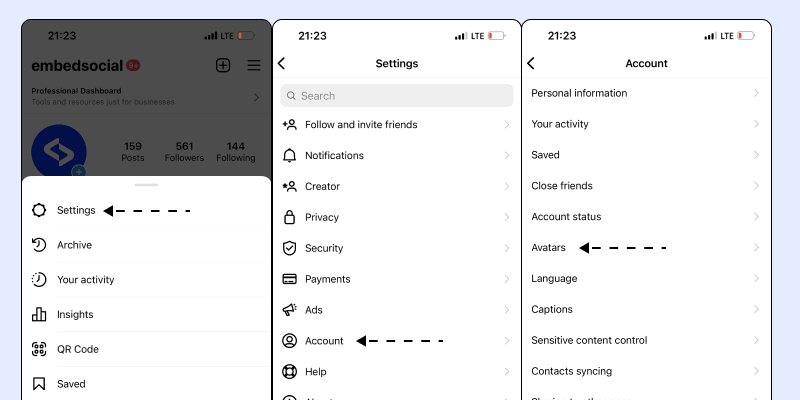
  1. Open your app and go to your Profile
  2. Tap on the top-right menu icon and in the popup tap Settings
  3. Tap Account and tap on Avatars

And next follow the editing steps to make your avatar:

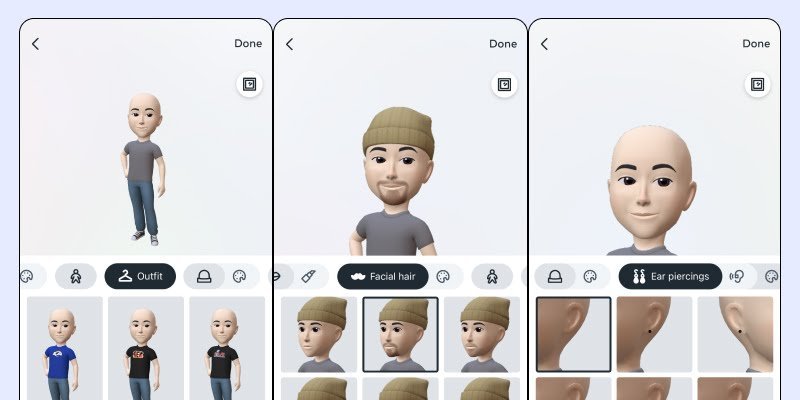
These steps are a full editor of your 3d Avatar where you have tons of options to personalize your looks. The options include:

  • Mouth and nose shape
  • Face color and shape,
  • Body shape
  • Clothes and head wear
  • Hearing devices (a very inclusive attribute)

And once you are done setting all your avatar attributes just click the top-left button ‘Done’.

You will get a notification that “your avatar is being updated”.

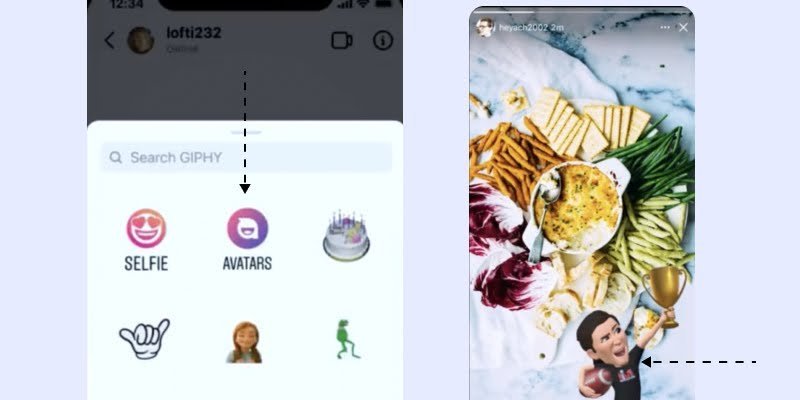
And once this is done, you will have it available to show it off as personalized stickers across Facebook, Messenger, and Instagram.

How to use the Avatar on Instagram

Goto your profile and tab edit profile, choose change profile photo then tab avatar photo

You can also react with the avatar on Instagram DM too, open Dm tab on any message then tab the plus (+) tab the sticker icon then select avatar then tab on any avatar pose to send

How to turn off antimalware hogging your device memory

0

If you’ve kept a close eye on the Task Manager, then you may have noticed the Antimalware Service Executable doing its job. It is a crucial process of Windows Security (previously “Microsoft Defender”) and helps keep your system safe from malware. It is pretty common to find the Antimalware Service Executable consuming a large chunk of the system resources.

On older PCs with limited system resources, the Antimalware Service Executable can severely impact the performance of your system. Read on as we discuss the importance of this service and how you can disable it.

What Is the Antimalware Service Executable?

You’re probably familiar with Windows Security (previously Microsoft Defender). Windows Security is a reliable antivirus that comes pre-installed on Windows 10 and 11. The Antimalware Service Executable (you may find it listed as MsMpEng.exe in the Task Manager) is a core part of Windows Security.

The service helps ensure your PC stays protected against any virus, worms, and other malware by continually scanning files and programs on your PC in the background. If the Antimalware Service Executable finds a malicious file or program, it will immediately delete or quarantine the affected files.

Should You Disable the Antimalware Service Executable?

Considering how integral the Antimalware Service Executable is to protect your PC, you must be wondering why you should even consider disabling it.

If you do not have a third-party antivirus installed on your system, then Windows Security is your sole protection against potentially harmful malware. If your PC is left without any third-party antivirus programs installed, the Antimalware Service Executable automatically enables itself and begins safeguarding your PC as part of Windows Security.

Ideally, you should not be disabling the Antimalware Service Executable process. But if you have a reliable third-party antivirus installed, and the Antimalware Service Executable is still consuming a large chunk of your RAM or CPU, then it might make sense to disable it.

Here is How to Disable the Antimalware Service Executable

There are a few different ways you can disable the Antimalware Service Executable depending on the circumstances of your system’s performance.

Method 1: Disable Real-time Protection

Suppose you find the Antimalware Service Executable process consuming a lot of system resources in certain instances; in that case, you can temporarily disable real-time malware protection through Windows Security:

  1. Head to the Start menu, search for Windows Security and select the Best match.
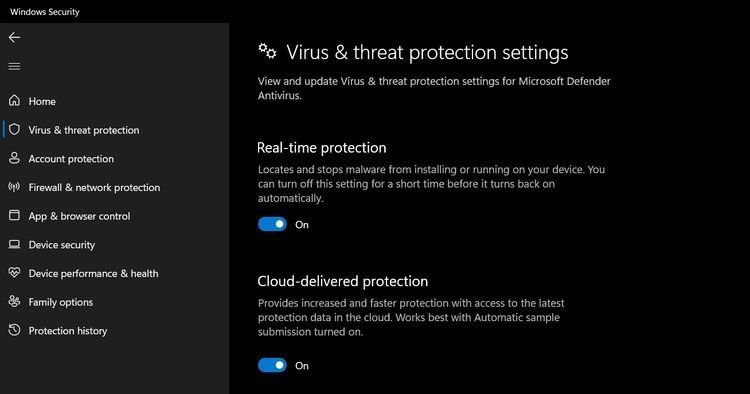
  2. Navigate to Virus & threat protection from the sidebar.
  3. Look for Virus & threat protection settings, and then click on Manage settings option underneath.
  4. Disable the Real-time protection toggle button by bringing it to the Off position.

Real-time protection will be turned back on automatically by Windows Security.

Method 2: Disable Windows Security in the Registry Editor

For users looking for a more permanent solution to disabling the Antimalware Service Executable, you will have to disable Windows Security from the Registry Editor.

To disable Antimalware Service Executable from the Registry Editor:

  1. Search for Registry Editor from the Start menu, and launch it.
  2. Navigate to HKEY_LOCAL_MACHINE > SOFTWARE > Microsoft > Windows Defender from the sidebar.
  3. Right-click on the Windows Defender folder and select New > DWORD (32-bit) Value.
  4. Enter DisableAntiSpyware in the Value name field and 1 in the Value data field.
  5. Press OK to save your changes and restart your system for the changes to take effect.

Should You Rely on Windows Security for Windows 10 and 11?

Many users opt for a dedicated third-party antivirus on Windows 10 or 11, but Windows Security has made significant improvements in the past few years. Not only is Windows Security a complete antivirus package, but it’s also free and comes pre-installed on Windows.